Sometimes you notice a change before you can quite put your finger on it.
Many clients describe looking more tired than they feel, noticing a sense of heaviness or imbalance, or simply finding that their skin no longer feels quite the same.
Often there is more than one contributor. Skin quality, facial movement, structure, volume, hormonal change and other factors can all influence what you see. Understanding which of those factors matters most is what helps us decide where to start.
Looking tired or less refreshed
Looking more tired than you feel can show up in several ways — around the eyes, through changes in skin quality, brow position, facial balance, pigmentation or the way light falls across the face.
Sometimes it is one dominant factor. Often it is a combination.
Changes in hydration, texture, pigmentation or redness can affect how fresh the skin appears. Facial movement, brow position, under-eye appearance, volume changes and the relationship between different parts of the face can also contribute.
Where useful, OBSERV® imaging can help us look more closely at skin-related factors and establish a visual baseline alongside the broader facial assessment.
We start by identifying what is actually creating the tired or less-refreshed appearance, then build the treatment plan around those contributing factors.
That plan can draw on skin treatment, Profhilo®, skin boosters, anti-wrinkle treatment, dermal filler, laser, brows or lashes — individually or in combination where different treatments are addressing different parts of the same concern.
Facial lines and movement
Some lines appear only when the face moves; some remain visible at rest; some become more noticeable as skin quality changes over time.
But lines are also part of expression.
A strong frown can make someone look more serious, tired or frustrated than they feel. Smile lines around the eyes may feel completely different — they can be part of warmth, character and the way someone recognises themselves.
For many clients, the real question is not simply “How do I get rid of lines?” It is:
Which expressions still feel like me — and which ones no longer reflect how I feel?
Repeated muscle movement is a major contributor to frown lines, forehead lines and crow’s feet. But lines that remain at rest can also reflect changes in hydration, collagen, elasticity, skin thickness or underlying facial structure.
That means the same visible line may have both a movement component and a skin-quality component.
Where useful, standardised photography and OBSERV® imaging can help us compare movement-related lines and surface texture over time, giving both you and your practitioner a clearer reference point.
We assess the face at rest and in movement, looking not only at which muscles are active but at what those movements are communicating.
Sometimes the treatment plan is designed to soften a strong frown or reduce heaviness through the brow. In other areas, preserving movement can be just as important because that expression contributes to warmth, animation or character.
Anti-wrinkle treatment gives us one tool for selected muscle activity. Where lines at rest or skin quality are also part of the picture, the plan can draw on Profhilo®, skin boosters, microneedling, laser and other skin treatments alongside it.
It is about helping the face you see — and the face other people see — feel more aligned with the way you feel yourself.
Brow heaviness or asymmetry
Brows can change the way the whole upper face reads.
A brow that sits lower on one side, feels heavier than it used to, or moves differently from the other can affect how open the eyes appear and how balanced the upper face feels.
For some clients, the concern is symmetry. For others, it is heaviness, openness around the eyes, or simply wanting the brows to feel more harmonised with the rest of the face.
Brow position is influenced by several things at once: underlying anatomy, natural asymmetry, forehead and frown-muscle activity, skin and tissue changes, previous injectable treatment, and the way the brows themselves are shaped or defined.
This is also why the team aims to consider brow position and movement before planning our brow, microblading and SPMU treatments where possible.
Rather than asking SPMU to compensate for an underlying imbalance, we can first understand whether there is an opportunity to optimise movement or position, then design the brow work around that.
Sometimes one side is recruiting differently from the other. Sometimes the issue is structural. Sometimes the visual framing of the brow is contributing to what the client sees.
We assess brow position at rest and in movement, looking at how the forehead, glabella and surrounding muscles are working together, how each side differs, and how the brows relate to the eyes and wider facial balance.
The treatment plan can then draw on anti-wrinkle treatment where muscle activity is contributing, and brow styling, microblading or SPMU where visual framing is part of the concern. In some cases, considering both from the outset produces the most coherent result.
The aim is not perfect symmetry. It is to understand what is creating the imbalance and work toward a result that feels natural, balanced and recognisably you.
Changes in skin quality
Skin can start to feel different before there is one obvious thing to point to.
Clients may notice that it feels drier, less smooth, less resilient, more reactive, more uneven in tone, or simply that it no longer has the same clarity or luminosity it used to.
Sometimes those changes are gradual. Sometimes several seem to appear at once.
Skin quality is influenced by more than hydration alone.
Texture, pigmentation, redness, vascular change, collagen and elastin, barrier function, oil production, inflammation and the way the skin reflects light can all affect how healthy and refreshed it appears.
In New Zealand, those changes are also shaped by the environment we live in. High UV exposure, an outdoor lifestyle, wind, humidity, salt water and seasonal shifts can all affect pigmentation, dehydration, sensitivity and barrier health over time.
Hormonal change, skincare, previous treatments and general skin health can all influence the picture too.
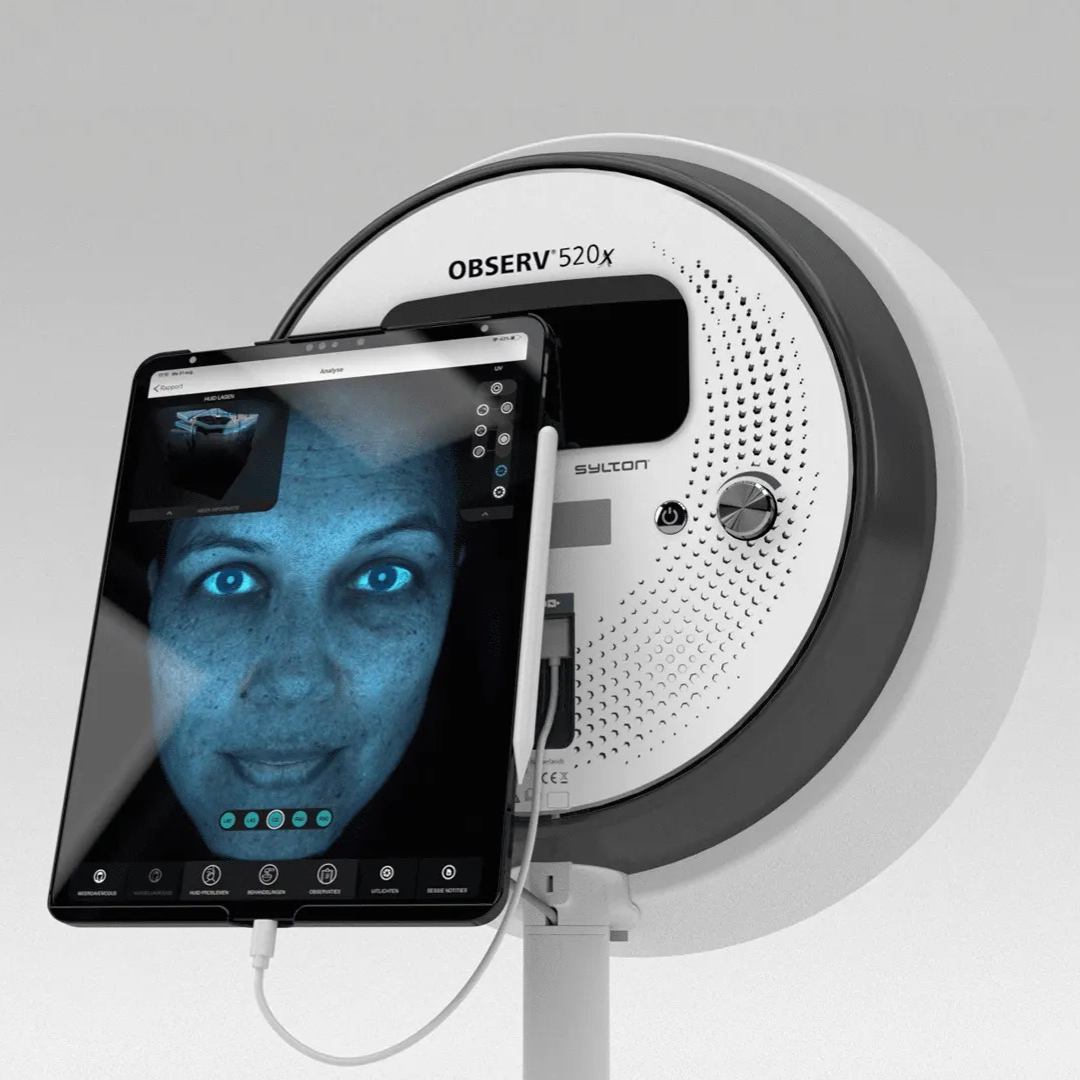
Where useful, OBSERV® skin analysis allows us to look more closely at different aspects of the skin under multiple light modes — including pigmentation, redness, texture, hydration-related changes and other features that may not be as obvious in ordinary light.
It gives both the client and practitioner a consistent visual baseline, which can then be used to compare change over time rather than relying on memory alone.
The first question is not simply “Which skin treatment should we perform?”
Healthy skin relies on a number of interacting factors, including hydration, barrier function, collagen and elastin, vascular health, pigmentation and cellular renewal.
Different treatments support those factors in different ways, and the strongest plans often combine complementary approaches rather than expecting one modality to address everything.
The treatment plan can draw on active skincare, LED, microneedling, laser, hyaluronic-acid based treatments such as Profhilo® or NCTF® 135 HA, and other regenerative and skin-supportive approaches, selected and combined according to the factors identified in the assessment.
Objective imaging helps us establish where we are starting from, plan the most appropriate combination of treatments, and review how the skin is changing over time.
The aim is to understand the skin well enough to build a treatment plan that is specific, transparent and able to evolve with you.
Hormonal changes affecting your skin & face
A client may notice that their skin feels different, their face appears less full in some areas, the jawline or brow feels less supported, lines that used to appear only with expression remain visible for longer, or the overall balance of the face seems to have shifted.
This is especially familiar around perimenopause and menopause, although hormonal influences on skin and facial appearance can occur at many stages of life, including in men.
Hormonal change can affect hydration, collagen and elastin, skin thickness, pigmentation, sensitivity and the way tissues retain moisture.
At the same time, normal changes in facial fat, bone, connective tissue and structural support can alter volume, contour and laxity. Muscle movement is still muscle movement, but its effect can look different when the tissues around it have changed.
The result is that what feels like one change in appearance may actually reflect several processes occurring together.
Rather than treating each visible change in isolation, we look at how skin quality, movement, volume, structure and facial balance are interacting.
Detailed treatment planning lets us draw on the different tools available across the UP® team: supporting skin quality while addressing a strong movement pattern, restoring support selectively where volume has changed, treating pigmentation or vascular change separately, or sequencing complementary treatments so that each addresses a different part of the picture.
OBSERV® imaging can help us establish and follow some of the skin-related changes, while standardised facial assessment and photography allow us to consider movement, proportion and structural change alongside them.
The aim is to understand how the picture has changed as a whole — then decide which parts are worth addressing and in what order.
Loss of volume or facial balance
Sometimes the change is not a line or a particular feature, but a shift in the way the face feels proportioned.
A cheek may look flatter, the lower face may feel heavier, the lips may seem less defined, or one area may no longer feel quite as balanced with another. In other cases, the client may simply feel that the face looks less supported than it used to.
Over time, the face gradually loses and redistributes some of the soft tissue that gives it support and contour. That can change the way features relate to one another, even when the change is subtle.
Facial balance is influenced by more than volume alone.
Changes in fat distribution, bone support, connective tissue, skin quality and muscle activity can all alter the way the face is structured and how different areas relate to one another.
Natural asymmetry also plays a role, as can previous treatment, brow position, lip shape and the way the face moves.
Over time, those factors can change the way light falls across the face and the way individual features are perceived in relation to one another.
We look at the face as a whole rather than treating one area in isolation.
Where appropriate, standardised front, oblique and profile photography can help us compare facial proportion and structural change over time.
Detailed treatment planning allows us to use dermal filler when restoring support, proportion or volume forms part of the objective, while also considering whether muscle activity, skin quality, brow position or SPMU are contributing to the overall balance.
The strongest result often comes from identifying which part of the facial relationship has changed, then selecting and coordinating the tools that address it most effectively.
The goal is to restore proportion, support and harmony while keeping the face recognisably yours.
Scars or recovery
Scars can change in more than one way over time.
Some remain red or pigmented. Some become indented, raised, firm or uneven in texture. Others may have improved substantially but still catch the light differently, feel tethered, or remain visually noticeable because of colour or contrast.
The important point is that not all scars are the same, and not all parts of a scar need the same treatment.
Scar type, colour, texture, maturity, depth, tissue behaviour and location all influence how we plan treatment.
A newer scar may still be actively remodelling. An older scar may have established textural or pigment changes. Some scars involve altered collagen organisation or tethering; others are more about residual redness, pigmentation or surface irregularity.
That is why scar treatment is best approached through detailed assessment and treatment planning, rather than as a single procedure.
Our scar pathway begins with specialist, nurse-led assessment. We look closely at the scar itself, how the tissue is behaving, where it is in the healing process, and which elements of the scar are most important to address.
From there, we can build a staged treatment plan drawing on the tools available across the wider UP® team. These can include nurse-led procedures, microneedling, laser, LED, targeted skin treatments and regenerative or supportive therapies, with different modalities addressing different aspects of the scar at different stages.
Where colour or contrast remains after the tissue has improved, scar camouflage or scar-reduction pathways through SPMU can also form part of the overall plan.
This allows us to consider texture, colour, depth, tissue quality, healing stage and visibility together, rather than treating “scarring” as one single problem.
The treatment plan is built around the scar in front of us — and can evolve as the tissue changes.

Start with what you’ve noticed.
You do not need to arrive knowing what treatment you need — or even exactly how to describe what has changed.
Our nurses, beauty therapists, specialists and wider medical oversight team can help assess the full picture, explain the options available and build a treatment plan around what matters to you.
The aim is to give you the information and guidance you need to make an informed decision about what comes next.